
Are 2019 Property Tax Increases Designed To Help Solve The Pension Fund Problem?

Cities all over the country (and the rest of the world) are grappling with pension fund problems. Every year, pension obligations increase and city officials have to come up with ways to meet those obligations.
One of the most common ways cities fund pension payments is by increasing property taxes. In fact, over the last decade, citizens in many cities have seen their property taxes go up every year. And judging by the state of many pension funds in many parts of the country, it looks like property tax hikes of varying degrees will remain the norm for many for the foreseeable future.
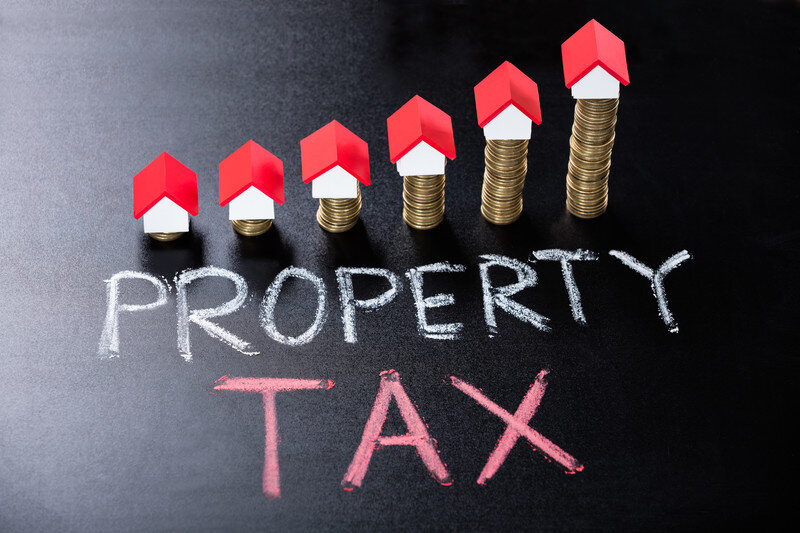
property tax

PROPERTY TAX RATES AND PENSION FUNDS IN ILLINOIS

In Illinois, a growing list of cities and municipalities have been seeing rising property taxes, with officials struggling to pay for pensions. In the city of Quincy, for instance, homeowners will see a higher property tax rate in 2019. The increase is geared towards meeting the surging cost of pension obligations
According to Illinois Policy, Quincy officials agreed to up the property tax by 5.25% to fund police and fire pensions. The city was originally supposed to impose a 13.8% tax increase for this fiscal year but managed to lower the rate by transferring $600,000 in surplus revenue into the public safety pension fund.

PROPERTY TAX RATES AND PENSION FUNDS IN CHICAGO

While all but one mayoral candidate in Chicago has voiced support for property tax hikes, Bloomberg reports that an increase is inevitable. The surge in payments implemented by Mayor Rahm Emanuel to cover mandatory pension payments will continue until after he leaves the office.
In addition, mayoral candidate Paul Vallas is proposing collecting $250 million more in property taxes in the next five years. The rate will be capped at either 5% or the inflation rate, whichever is lower.

IS IT FAIR TO TAXPAYERS?

Increasing property taxes year after year is hard enough on homeowners and business owners. But when the unfunded liability is still increasing, it becomes doubly unfair. In the town of Normal in Illinois, for instance, there are still deficits in the police and fire pension funds. This despite years of increasing the funding for the pensions through property tax hikes.
One suggested a solution for the town and others struggling with the same problem is setting up retirement plans similar to a 401(k) for new employees. With residents bracing themselves for higher taxes in the years to come, this type of property tax reform is badly needed.
In 2016, financial writer John Mauldin warned against using property taxes to pay for pension promises in an article in Forbes. According to the author, higher taxes reduce property values, which eventually drives away homebuyers and even homeowners.
When property taxes rise, homeowners can opt to sell their property at a lower price and move elsewhere instead of staying and paying the higher taxes. The writer warns that while governments can try to squeeze out pension funding from taxpayers, those taxpayers could also simply leave. What happened in Detroit, he said, could also happen in Illinois and many other places in the US.

ENROLL TODAY In the Property Tax Protection Program™

 Your property taxes will be aggressively appealed every year by the #1 property tax firm in the country. If your taxes are not reduced you PAY NOTHING, and a portion of the tax savings is the only fee you pay when your taxes are reduced! Many FREE benefits come with enrollment.

Comments

Popular posts from this blog

Taxpayers Should Know About The Changes On The Voter Petition To Reduce Tax Rate

If you don’t know yet, it is possible for voters to petition to  reduce the tax rate  in Texas. This normally happens when the increase has passed the limit stated by the law. TAX RATE LIMIT As of now, the threshold is 8%. But after the Reformed Property Tax Code of Texas, it has now decreased to 3.5%. This is a different number from what Texas Governor Greg Abbott wants. He first supported the 2.5% threshold. Yet, the 3.5% cap is still a great help for taxpayers. It won’t significantly lower the property tax they have to pay. But it will slow its growth, and they can ultimately save some money. The new limit to the tax rate will take effect in 2020. WHAT HAPPENS IF TAXING UNITS GO BEYOND THE THRESHOLD? It’s not impossible for taxing units to go beyond the proposed 3.5% threshold. In fact, it’s rather common. That’s why the law was made to help the public. Even before the Reformed Property Tax Code, voters can petition an election. This tackles the increase...

Thinking About Home Improvement? Tips To Keep Your Property Taxes From Skyrocketing

As if there aren’t already enough factors to consider when organizing a home improvement project, don’t forget to add property tax assessments to the list. Property tax is a real estate tax paid by the owner of the property and is based on the home’s assessed value. Property tax characteristics vary by state, but generally speaking, remodels and renovations will increase the value of a home and subsequently result in an increase in property taxes. So, if you’re looking to make any home improvement updates, take into account the following guide to prevent a substantial spike in your property tax bill. AVOID EXTENSIVE RENOVATIONS Most renovations will subject a home to a reassessment since they are adding value to the home. While there is no precise list of taxable home improvements, some are more likely to trigger a reassessment than others. By and large, the most standard projects known to do so are: Improvements which add square footage to a home, such as adding a deck Any ...

Texas’ Property Tax System Is BAD…

Follow the path of one homeowner, Chuck Devore, a recent transplant from California as he goes through the process of protesting his high property tax value in 2019. While Texas state government has done a decent job over the years in limiting spending growth to around population and inflation, especially compared to other states, this hasn’t been the case at the local level. Local governments in Texas—counties, cities, school districts and some others like municipal utility districts and hospital districts—raise and spend more than half of government expenditures in Texas excluding federal dollars. This means local government spending habits have an outsized role in the state’s tax climate. Fortunately, if Texas property owners believe their government appraisals are too high, they can protest them—though the tiny percentage who do usually hire someone for the task. He filed a protest, received his date and time to appear, and,  having taken a vacation day , trooped down to ...